






- This article and video have been produced in collaboration with EarningsWatcher. Theta Profits has an affiliate relationship with EarningsWatcher, and may earn a commission if you sign up through our link.
Earnings season attracts options traders with the promise of large stock moves and fast profits. But according to Amin Khribi, founder of EarningsWatcher, many traders approach earnings the wrong way. In this interview, he explains four of the most common mistakes he sees and shares what actually creates an edge when trading earnings.
Here are four mistakes earnings traders often make
Why earnings trades are different
An earnings trade is any options trade placed before, during, or shortly after a company's earnings release. These events create unique opportunities because implied volatility often rises before the announcement and then changes dramatically afterward.
Many traders focus primarily on whether a stock will move up or down. Amin argues that the real key to earnings trades is understanding volatility and how the options market prices expected movement around the event.
EarningsWatcher
…turns messy earnings volatility into clear, research-backed setups – so you can trade with consistency, not luck. You get numerous earnings data for each underlying – and a repeatable workflow for earnings trades, from idea to execution to improvement.
Mistake 1: Ignoring the IV crush
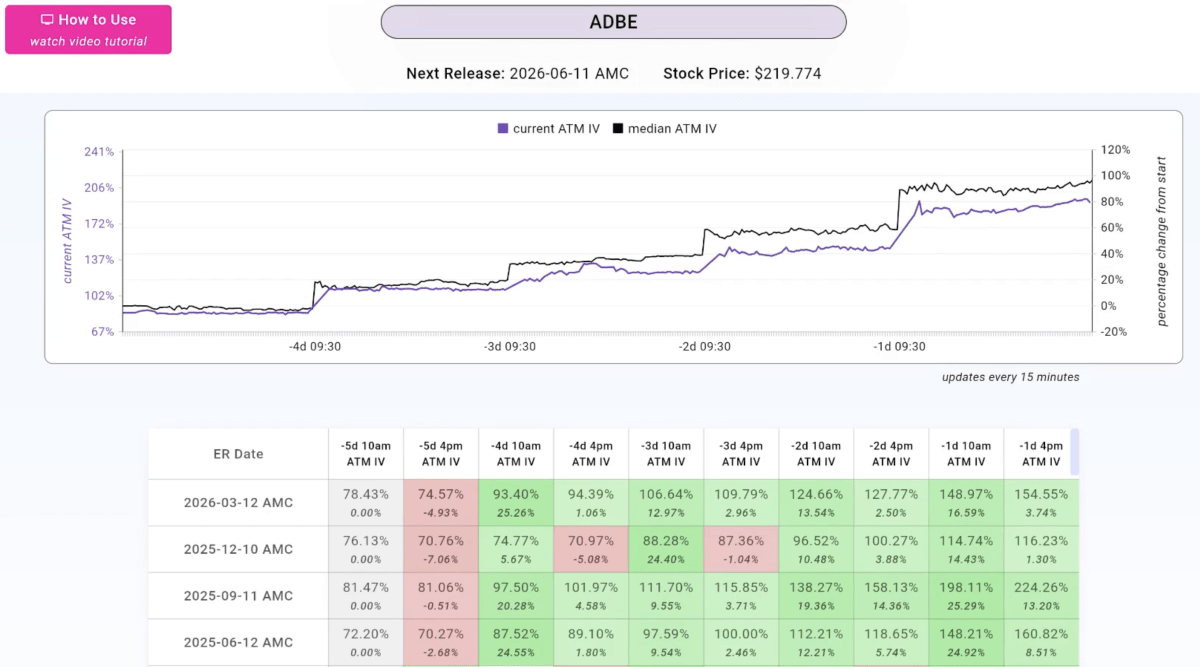
The first, and perhaps most important, mistake is ignoring the effect of an implied volatility crush, commonly known as IV crush.
Before earnings, options premiums often become more expensive as traders anticipate increased volatility. Once the earnings announcement is released, that elevated implied volatility typically drops sharply.
As a result, an option can lose a significant amount of value even if the stock moves in the expected direction. Traders who buy options before earnings without understanding this dynamic may find themselves losing money despite making a correct directional call.
According to Amin, understanding IV crush is essential because it fundamentally changes the risk and reward profile of earnings trades.
Mistake 2: Simply picking a direction
Many traders approach earnings by trying to predict whether a stock will go up or down.
While that sounds logical, Amin explains that directional trades face two challenges at the same time.
First, the trader must correctly predict the direction of the move. Second, the move must be large enough to overcome the effects of IV crush and the premium already priced into the options.
In other words, being right about direction is often not enough.
This is why earnings trades can be much more difficult than they initially appear. The market has already incorporated expectations about future movement into option prices.
Mistake 3: Selling naked premium for easy income
After learning about IV crush, some traders conclude that they should simply sell expensive options premium before earnings.
Amin warns that this can be equally dangerous.
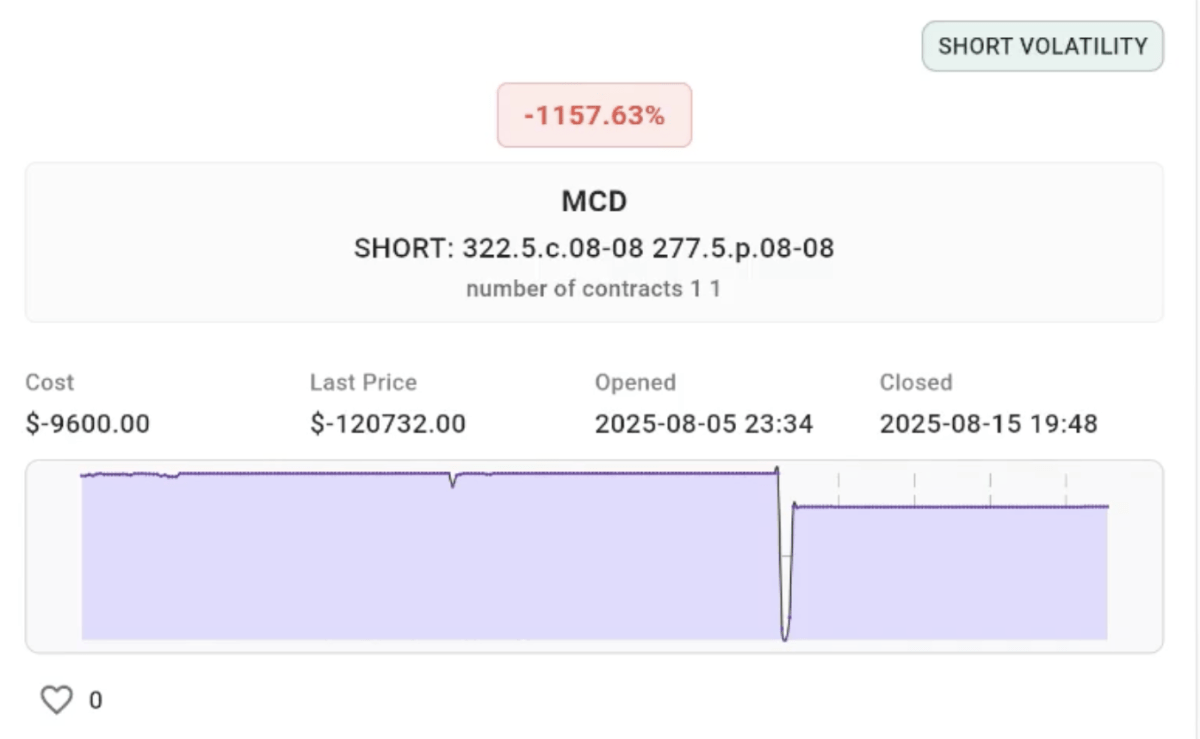
Strategies such as naked strangles or naked straddles may generate many small winning trades. Because earnings expectations are often inflated, selling premium can appear attractive and relatively safe.
The problem is that a single large move can create losses that dwarf previous gains.
This is the classic “pennies in front of a steamroller” scenario. A strategy may produce consistent profits for a long period before one unexpected earnings move causes substantial damage to the account.
The lesson is not that premium-selling strategies are always wrong, but that traders must understand the risk they are taking and avoid exposing themselves to catastrophic losses.
Mistake 4: Using the same setup every time
The fourth mistake is treating every earnings event the same.
Many traders develop a favorite strategy and then apply it to every stock reporting earnings. Amin argues that this approach ignores important differences between companies.
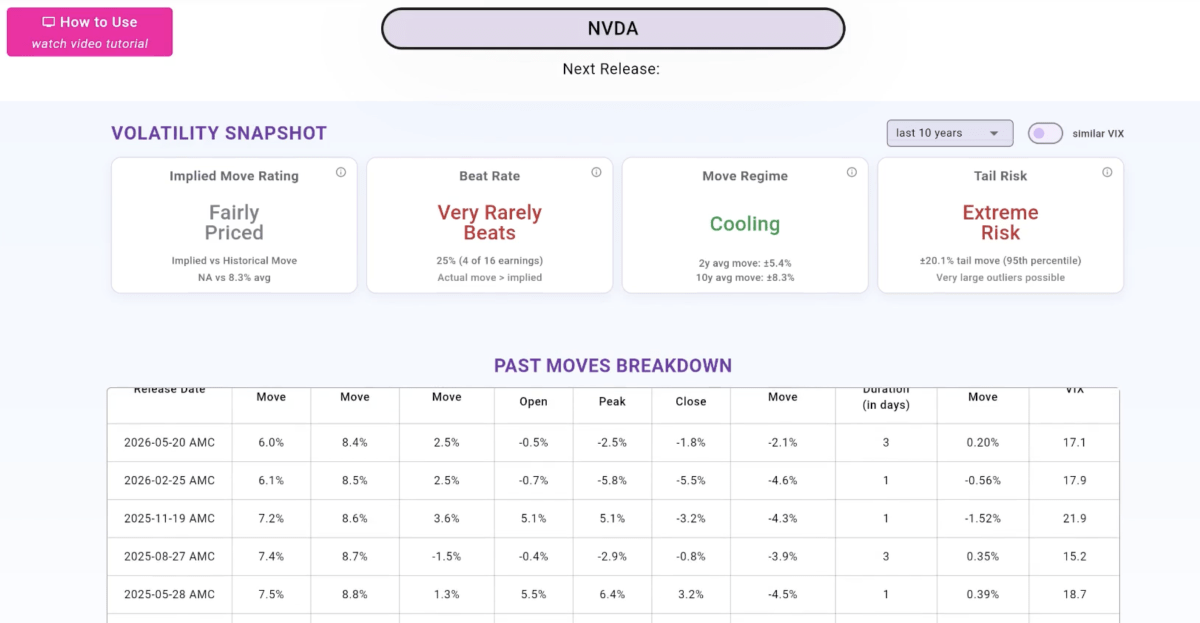
Some stocks historically move far more than market expectations. Others tend to move less than expected. Certain names may be more suitable for long-volatility strategies, while others may favor short-volatility approaches.
The key is to study the data rather than relying on assumptions.
A stock may appear likely to produce large earnings moves based on headlines or market attention, but historical results may tell a very different story.
What creates an edge in earnings trades?
According to Amin, successful earnings trades are built on statistics rather than predictions.
The edge comes from understanding the relationship between what the options market is pricing in and what actually happens after earnings are released.
This means analyzing factors such as historical earnings moves, implied volatility behavior, risk-reward characteristics, and the probability of different outcomes.
Traders can then choose strategies that fit the specific profile of each stock rather than relying on generic rules.
Amin also points out that earnings opportunities extend beyond the earnings announcement itself. Some traders focus on the rise in implied volatility before the event. Others trade the volatility changes during earnings. Still others look for momentum opportunities after the release.
The common thread is that all of these approaches rely on data rather than intuition.

[…] Amin Khribi: Four costly earnings trades mistakes every options trader should avoid […]